



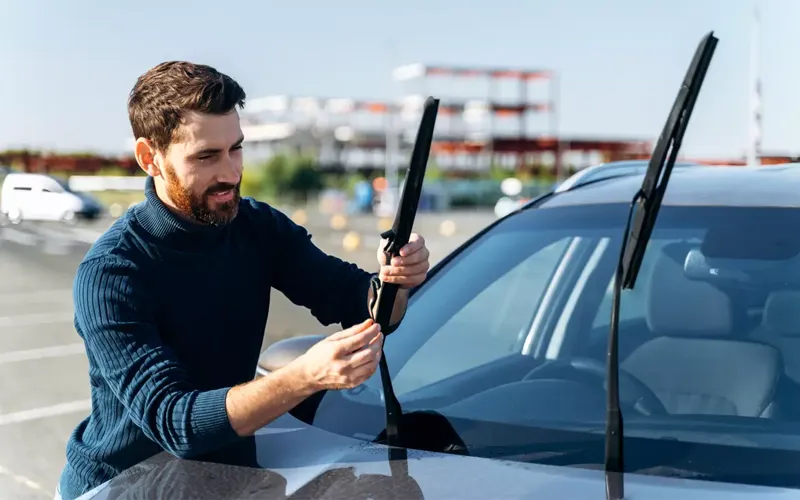
Being able to see the road clearly is essential for staying safe while driving. Rain, dust, snow, mud, and road spray can quickly make a windshield difficult to see through, especially when weather conditions change suddenly. Windshield wipers help maintain a clear view, but their rubber edges eventually become less effective because of sunlight, temperature changes, moisture, and regular use. Learning how to replace windshield wipers can help drivers handle this simple maintenance task without relying on a repair shop every time the blades wear out.
Know When Your Wipers Need Replacing
Wiper blades usually show signs of wear before they stop working completely. One of the most common signs is streaking, where water remains behind after the blade passes over the glass. You may also notice missed areas, chattering sounds, or movement that becomes uneven during use.
The rubber itself can provide another clue. If it looks cracked, split, dry, or unusually hard, the blade may no longer maintain proper contact with the windshield. Regular inspection is useful because damaged rubber can reduce visibility when you need the wipers most.
Select the Right Blades for Your Vehicle
The replacement blade must match both the required length and the attachment system used by your vehicle. The two front wipers may not always be the same size, and a rear blade can have completely different specifications.
Your owner’s manual is one of the simplest ways to confirm the correct measurements. Vehicle-specific fit guides can also help when shopping for replacements. This matters because the correct size and fitting can vary between model years, even within the same vehicle family.
For example, drivers researching how to replace windshield wipers Honda Accord should check the specifications for their particular Accord model year instead of assuming every version uses identical blades. The same approach applies to Toyota Corolla, Nissan Altima, Subaru Forester, and other popular vehicles.
Prepare Before Removing the Old Blade
Choose a safe place with enough space to work around the front of the vehicle. Turn the engine off and make sure the vehicle is stationary before lifting the wiper arms.
Raise one arm carefully and hold it securely. Because the arm is spring-loaded, it can move back toward the windshield if released. A simple precaution is to place a soft towel over the glass while working, providing an additional layer of protection.
If you are following how to replace windshield wipers on Toyota Camry, for instance, preparation should include checking that the new blade and its connector are ready before removing the existing one. Having everything nearby makes the installation easier and prevents unnecessary delays.
Remove the Existing Wiper Blade
Examine the point where the blade connects to the arm. Different vehicles can use hook-style connectors, push-button systems, side clips, or other locking mechanisms. Identify the release method before applying pressure.
Once the lock is released, slide or pull the blade away according to the connector design. Avoid forcing it if it does not move easily. The fitting is a small component, and excessive force can damage it.
Drivers learning how to replace windshield wipers Honda CR-V may find that the release mechanism differs from another vehicle they have worked on. Checking the owner’s manual when the connector is unfamiliar is safer than guessing how it should come apart.
Install the New Blade
Take the new blade and position it in the same direction as the original. Guide the connector into place until the locking mechanism engages. Depending on the design, you may hear or feel a click when the blade is properly secured.
After installation, give the blade a gentle hand check without applying excessive force. It should remain firmly attached to the arm rather than sliding freely.
Vehicle-specific instructions can be particularly useful for models with different fittings across generations. For example, how to replace windshield wipers Honda Civic may vary slightly depending on the year, so owners should confirm the appropriate blade before installation. The same consideration applies when replacing blades on a 2017 Civic or another model year.
Check Vehicle-Specific Fitment
Not every vehicle uses the same blade dimensions or connector style. This is why searching for instructions related to a specific model can be useful before purchasing replacement parts.
Someone looking into how to replace windshield wipers Nissan Rogue should confirm the model year and recommended blade specifications. Owners of a Hyundai Elantra should make the same checks rather than selecting a blade based only on its appearance.
Other vehicles, including the Infiniti QX60, Dodge Journey, Jeep Wrangler, and Mazda 3, can also have their own fitment requirements. Confirming these details beforehand reduces the chance of buying a blade that cannot be attached correctly.
Understand Different Wiper Blade Designs
Replacement blades are commonly available in conventional, beam, and hybrid designs. Their construction differs, but the important consideration is how well the selected blade matches the vehicle and maintains consistent contact with the windshield.
Brand choice can also influence the available designs and features. Drivers researching how to replace windshield wipers Michelin may find several options, but the brand name alone does not determine whether a particular blade will fit. Size and connector compatibility should remain the first checks when selecting a replacement.
Test the Installation
Once the new blade is attached, carefully lower the arm onto the windshield. If you are replacing both front blades, complete the second side before testing the system.
Add washer fluid and activate the wipers briefly. Observe the movement across the glass and check whether the blade maintains steady contact throughout its travel. A properly installed blade should move smoothly without becoming loose or leaving large sections uncleared.
If you notice unusual movement, scraping, or persistent skipping, turn the wipers off and inspect the connection. Testing while the vehicle is stationary gives you a chance to correct an installation problem before the wipers are needed during rain.
Maintain the Blades After Installation
Good maintenance can help replacement blades remain effective for longer. Keep the windshield reasonably clean so that dirt and grit do not repeatedly pass beneath the rubber edge.
When snow or ice builds up on the windshield, remove it before using the wipers. The blades are designed to move water and light moisture, not to push through heavy frozen material. Similarly, large leaves and thick debris should be cleared by hand rather than removed with the wiper system.
Cleaning the glass regularly and checking the rubber occasionally can also help you notice changes before they become a visibility problem.
Frequently Asked Questions
1. How to replace windshield wipers when the old blade is damaged?
If the old blade is cracked, streaking, skipping across the glass, or leaving missed areas, it is usually time for a replacement. Check the vehicle manual for the correct blade size and connector before removing the old one.
2. What Is the Safest Way to Change Windshield Wipers?
Raise the wiper arm carefully and keep control of it while removing the blade. Placing a soft towel over the windshield can provide extra protection in case the spring-loaded arm moves unexpectedly.
3. How to replace windshield wipers with different connector types?
First identify whether your vehicle uses a hook, push-button, side clip, or another attachment system. Release the old blade according to that design, then secure the new blade until its locking mechanism is properly engaged.
4. How to replace windshield wipers and make sure they are fitted correctly?
After installation, gently check that the blade is firmly attached to the arm. Lower it carefully onto the glass, then test the wipers with washer fluid while the vehicle is stationary to confirm smooth movement and proper contact.
5. Is it possible to change the wiper blades on my own?
Yes, most standard wiper blade replacements can be completed without professional assistance. Understanding how to replace windshield wipers can help you handle this basic maintenance task when the correct replacement blade is available.
6. How often should windshield wipers be replaced?
The replacement interval depends on weather exposure, usage, and the condition of the rubber. Drivers who know how to replace windshield wipers can inspect the blades regularly and replace them when signs such as cracking, hardening, streaking, or uneven movement appear.
7. What should I check before installing new wiper blades?
Confirm the correct blade length and connector type for your specific vehicle and model year. Knowing how to replace windshield wipers also means understanding that front blades may have different sizes and that rear wipers can require separate specifications.
8. Why should I test the wipers after replacement?
Testing confirms that the blade is securely attached and moves properly across the windshield. Anyone learning how to replace windshield wipers should perform this final check before driving in rain or other conditions where clear visibility is important.
Final Thoughts
Windshield wiper replacement is a straightforward vehicle maintenance task when the correct blade and connector are selected in advance. Taking a few minutes to identify the signs of wear, prepare the vehicle, and test the finished installation can make the job much easier.
The main benefit is not simply having new blades installed. It is knowing that the wipers are properly fitted and ready to perform when rain, road spray, or other conditions reduce visibility. A careful installation can therefore become a useful part of routine vehicle care before your next drive.
Explore practical automotive guides, car tips, maintenance advice, and the latest vehicle trends on TrendsMore.com.