



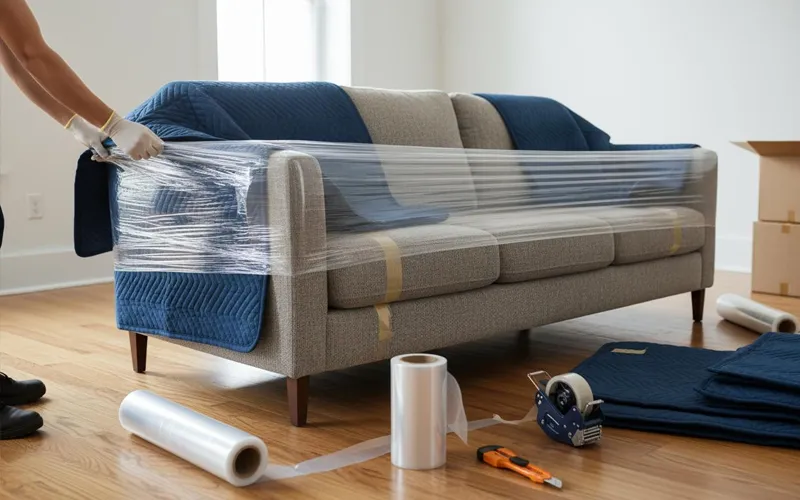
Moving a sofa to a new home or preparing it for storage requires more care than simply covering it with plastic. Sofas are often heavy, bulky, and difficult to handle, while their fabric, cushions, wooden frames, and legs can be damaged during transport. The right packing method helps protect the upholstery from dust, moisture, scratches, and stains while making the sofa easier to move.
The best way to pack a sofa is to clean it, remove any detachable parts, protect the delicate surfaces with suitable materials, and secure the covering without putting too much pressure on the frame. The process what is the best way to pack a sofa may vary depending on the sofa’s size, fabric, and destination. Whether you are moving across town, storing furniture for several months, or taking an old couch to a disposal facility, careful preparation can help prevent unnecessary damage.
Prepare Your Sofa Before Packing
Before wrapping your sofa, remove loose items, toys, and other objects from underneath the cushions. Take off the cushions and pillows if they can be removed easily, and keep them together in a clean bag or separate protective covering. Check the manufacturer’s instructions before removing the legs or other detachable parts, as some designs require specific tools or handling.
Vacuum the sofa to remove dust, crumbs, and pet hair. Pay attention to the spaces between the cushions and along the seams. Dirt trapped beneath plastic or blankets can rub against the upholstery and leave marks during transportation. If the sofa has stains, clean them using a method suitable for its material and allow the fabric to dry completely before packing.
It is also helpful to measure the sofa, doorways, hallways, and vehicle space before moving day. These measurements can help you decide whether the sofa needs to be turned, partially disassembled, or carried through another entrance. Planning ahead reduces the risk of scraping the sofa against walls or forcing it through a narrow space.
Choose the Right Materials for Protection
The materials you use can make a significant difference in how well your sofa stays protected. Moving blankets are useful for preventing scratches and cushioning the sofa against minor bumps. Stretch wrap can help keep the blankets in place, while suitable plastic furniture covers can protect against dust and light splashes.
For a fabric sofa, place a clean, breathable protective layer against the upholstery whenever possible, especially if the furniture will be stored for a long time. Avoid wrapping damp fabric in airtight plastic because trapped moisture can encourage mold and unpleasant odors. Leather sofas also need careful handling, as some plastic materials can trap heat and moisture against the surface.
Use packing tape only on the protective covering, not directly on the sofa. Adhesive can leave residue or damage delicate upholstery and finishes. Choose enough material to cover the entire sofa, including the arms, back, seat, and exposed legs.
How to Wrap a Sofa for Moving
When learning how to wrap a sofa for moving, start by placing the sofa in a position where you can reach every side safely. Cover the arms and back with moving blankets, making sure that corners and other exposed areas have enough padding. Add another layer to particularly vulnerable sections, such as wooden arms, decorative trim, or areas that may rub against other furniture.
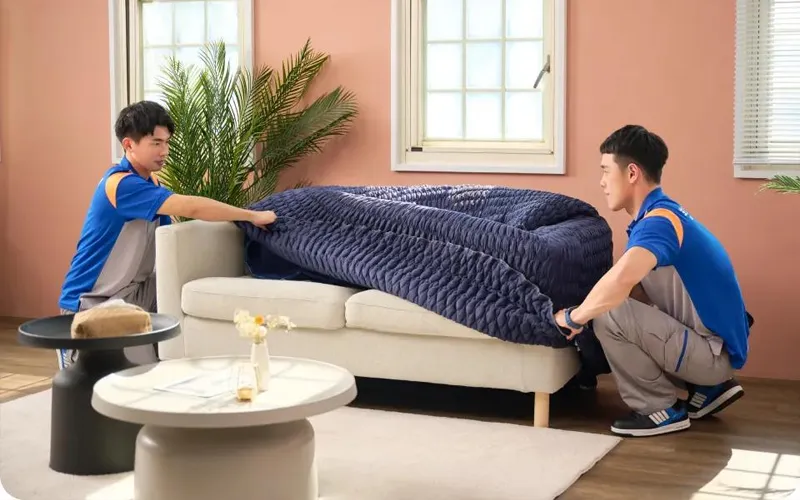
Once the blankets are in position, secure them with stretch wrap or straps around the protective layers. Keep the covering snug enough to prevent slipping, but do not tighten it so much that it compresses the cushions or puts pressure on the frame. Check that no part of the sofa remains exposed to potential scratches.
If you are using plastic as an outer layer, keep it smooth and secure so it does not become loose during transport. The sofa should remain protected without being squeezed tightly. Before carrying it outside, inspect the bottom and corners, since these areas can easily scrape against doorframes, steps, and vehicle surfaces.
How to Wrap a Couch in Plastic for Disposal
If you are preparing an old sofa for disposal, plastic wrapping can help contain dust, loose fabric fibers, and small debris during handling. First, check whether your local waste collection service or disposal facility has specific requirements for furniture preparation. Some facilities require sofas to remain accessible for inspection or ask residents to follow particular collection instructions.
To wrap the couch, cover it with a suitable furniture disposal bag or heavy-duty plastic sheeting. Start at one end and work around the back, seat, and arms until the sofa is covered. Secure the plastic with tape placed on the plastic itself. If the sofa is being taken outside, check that the covering will not tear or become loose while it is carried.
Plastic is not a substitute for proper protection against sharp edges or heavy impacts. If the sofa has broken wood, exposed springs, or damaged components, handle those areas carefully before moving it. Do not drag the wrapped sofa along the ground, as this can tear the plastic and make the furniture harder to handle.
How to Wrap a Couch for Storage
Packing a sofa for storage requires extra attention to cleanliness, ventilation, and moisture. Begin by cleaning the upholstery and allowing every part to dry completely. Store the cushions separately if possible, and avoid placing heavy objects on top of them because prolonged pressure can change their shape.
For short-term storage in a dry environment, a clean furniture cover may provide enough protection against dust. For longer storage periods, breathable covers are generally preferable when moisture could become trapped. If you use plastic, make sure the sofa is completely dry and the storage area is cool and dry. Check the condition of the furniture periodically if you can access the unit.
Keep the sofa elevated off a potentially damp floor using a suitable, stable platform. Leave enough space around it for air circulation and avoid placing it directly against a wall that may become damp. These precautions are especially useful when storing upholstered furniture in basements, garages, or other areas where humidity can fluctuate.
How to Wrap a Couch With a Blanket
A moving blanket is one of the most useful materials for protecting a sofa from scratches and small impacts. To wrap a couch with a blanket, unfold the blanket over the backrest and allow it to cover the seat and arms. Use additional blankets for the sides and bottom if the first one does not provide complete coverage.
Pay special attention to the corners, because they are often the first parts to touch walls or doorframes during a move. Fold excess blanket material neatly around the arms and secure it with stretch wrap or moving straps. Make sure the blankets cannot slide off when the sofa is lifted.
For a large sectional sofa, cover each separate section individually after disconnecting the pieces according to the manufacturer’s instructions. This makes the furniture easier to carry and reduces the chance of one section striking another. Keep the hardware in a labeled bag so it can be found easily during reassembly.
How to Wrap a Sofa With Fabric
If you want to know how to wrap a sofa with fabric, choose a clean, soft material that will not scratch or transfer color onto the upholstery. Cotton sheets or purpose-made furniture covers can work well as an initial protective layer. Wash and dry the fabric before use, particularly if it has been stored for a long time.
Spread the fabric over the sofa and tuck it gently around the cushions and arms. Make sure it covers the areas most likely to collect dust or rub against other objects. For extra protection during a move, place moving blankets over the fabric layer and secure everything with straps or stretch wrap around the covering.
Fabric alone may not provide enough cushioning against bumps or sharp corners. It can also shift while the sofa is being carried, so check the fit before lifting. For valuable, delicate, or light-colored upholstery, use materials designed for furniture protection rather than rough blankets that may leave lint or marks.
How to Move a Sofa With a Dolly
A furniture dolly can make moving a heavy sofa easier, particularly across flat floors. Before using one, check its weight capacity, wheel condition, and suitability for the sofa’s size. Clear the route of rugs, cables, boxes, and other obstacles, and make sure the sofa is securely positioned before moving it.
A flat furniture dolly is usually suitable for supporting furniture on a level surface, while a stair-climbing dolly is designed for different handling conditions. Do not assume that an ordinary dolly can safely manage stairs or steep slopes. If the sofa is large, use another person to help guide and stabilize it, even when a dolly is available.
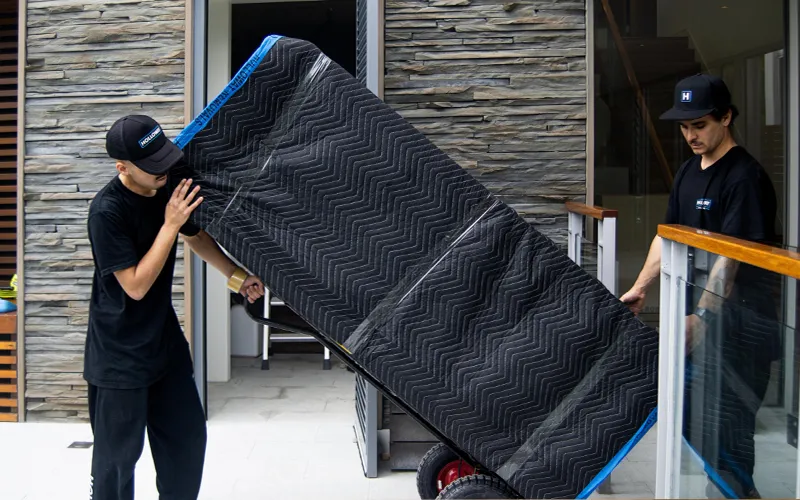
Keep the sofa balanced and move slowly, especially when turning corners or crossing thresholds. Avoid placing the sofa on an unstable edge or allowing it to lean too far in one direction. If the furniture blocks your view or feels difficult to control, stop and adjust the setup before continuing.
How to Move a Sofa by Yourself
Moving a sofa by yourself can be challenging because its size makes it difficult to maintain a safe grip and see where you are going. Before attempting it, consider the sofa’s weight, your physical ability, the available space, and whether stairs are involved. A small, lightweight sofa may be manageable with suitable equipment, but a large or heavy model is often safer to move with help.
If you must handle a manageable sofa alone, remove detachable cushions and legs where appropriate to reduce bulk. Plan a clear route and use suitable moving equipment instead of trying to lift the entire weight manually. Keep the sofa close to your body when handling it, avoid twisting your back, and make small adjustments rather than rushing through doorways.
Never attempt to carry a heavy sofa down stairs alone or balance it on an unsuitable trolley. Ask another person or a professional mover for assistance if the sofa is difficult to control. Protecting your safety is more important than completing the move without help.
How to Transport a Couch in a Truck
When planning how to transport a couch in a truck, check that the vehicle has enough room for the sofa and its protective covering. Measure the cargo area and compare it with the sofa’s dimensions before loading. If the sofa must be tilted, make sure this can be done without bending the frame or damaging the arms.
Place the sofa in a stable position against a suitable support surface. Use furniture blankets to prevent rubbing against the truck walls, floor, or other items. Secure the sofa with appropriate cargo straps attached to proper anchor points so it cannot slide or tip when the vehicle turns or brakes. Avoid tightening straps directly against delicate upholstery.
Keep the sofa away from sharp tools, loose metal objects, and heavy items that could fall onto it. If the truck has an open cargo area, use a suitable weather-resistant cover and ensure the load is secured in accordance with local transport rules. Never rely on plastic wrapping alone to hold furniture in place.
Common Packing Mistakes to Avoid
One common mistake is wrapping a sofa before cleaning or drying it. Dust can scratch delicate surfaces, while moisture trapped beneath plastic can lead to odors and mold. Another problem is using too much pressure when securing the covering, which may deform cushions or place unnecessary stress on the frame.
Dragging a sofa instead of lifting or using suitable moving equipment can damage its legs, fabric, and internal structure. It is also risky to leave loose cushions, detachable legs, or hardware unsecured during transportation. Keep these items together and label them so they do not get lost.
Finally, do not assume that every sofa can be packed in the same way. Leather, velvet, linen, microfiber, and other upholstery materials may need different protective layers. When in doubt, check the manufacturer’s care instructions before choosing a cleaning product or wrapping material.
Final Thoughts
The best way to pack a sofa without damaging it is to clean it first, protect vulnerable areas with suitable materials, and secure the covering without putting unnecessary pressure on the furniture. Moving blankets provide cushioning, while appropriate covers help protect against dust and light moisture. For storage, dryness and ventilation are especially important, and for transport, stable positioning and secure straps help prevent movement.
Choose your packing method according to the sofa’s material, size, destination, and condition. Taking time to prepare the furniture properly can reduce the risk of stains, scratches, broken parts, and costly repairs, helping your sofa arrive ready to use in its new location.
Frequently Asked Questions
1. What is the best way to pack a sofa without damaging it?
Clean the sofa, cover it with moving blankets, and secure them with stretch wrap. Make sure the covering is not too tight.
2. How do you wrap a sofa for moving?
Cover the sofa with moving blankets, especially the arms and corners. Secure the blankets to prevent them from slipping during transport.
3. Can you wrap a couch in plastic for storage?
Yes, but make sure the sofa is completely dry before wrapping it. Breathable covers are often better for long-term storage.
4. What materials are best for wrapping a sofa?
Moving blankets, clean fabric covers, and furniture covers help protect sofas. Stretch wrap can hold the protective layers in place.
5. How do you protect a fabric sofa when moving?
Clean the sofa and cover it with a soft protective layer before adding moving blankets. Avoid placing adhesive tape directly on the fabric.
6. How do you pack a sofa for long-term storage?
Clean and dry the sofa before covering it with a suitable furniture cover. Store it in a dry place with enough space for air circulation.
7. Is it safe to move a sofa by yourself?
Small, lightweight sofas may be manageable with proper equipment. For heavy sofas or stairs, ask someone for help.
8. How do you transport a couch in a truck safely?
Protect the sofa with moving blankets and secure it using suitable cargo straps. Make sure it cannot slide or tip during transport.
Want more furniture and decor ideas? Explore helpful tips and the latest trends on TrendsMore.com.


