



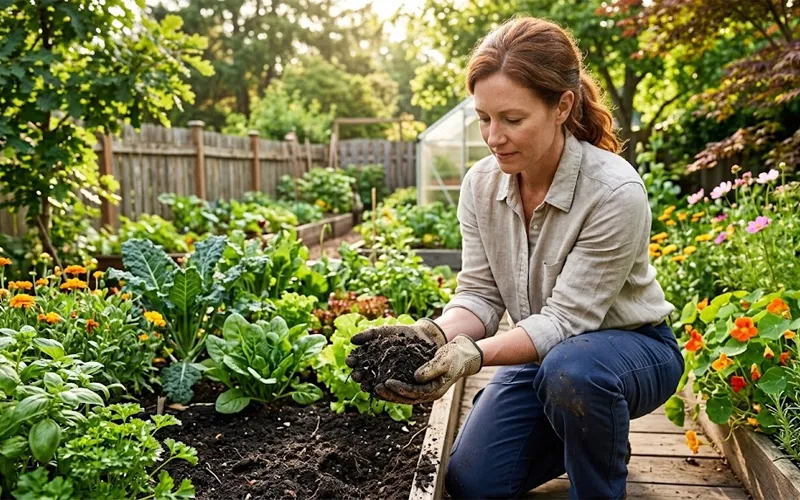
Healthy garden soil helps plants develop strong roots, absorb nutrients, and grow properly. However, poor drainage, compacted ground, and nutrient deficiencies can prevent flowers and vegetables from reaching their full potential. Improving the soil does not always require expensive products. With a few practical changes, you can create better growing conditions for many types of garden plants.
Learning how to improve garden soil quality starts with understanding your existing soil and choosing the right methods for its needs. These ten tips explain how to improve soil structure, manage nutrients, and maintain suitable growing conditions in a home garden.
1. Add Finished Compost
Finished compost is one of the most useful materials for improving garden soil. It adds organic matter, supports beneficial soil organisms, and helps soil retain moisture without becoming unnecessarily dense. It can also improve the structure of both clay and sandy soil over time.
Spread a thin layer of mature compost over your garden bed and mix it gently into the upper soil before planting. You can also apply it around established plants without disturbing their roots. Use fully decomposed compost rather than fresh kitchen waste, which may attract pests or interfere with plant growth.
2. Test Your Soil Before Adding Fertilizer
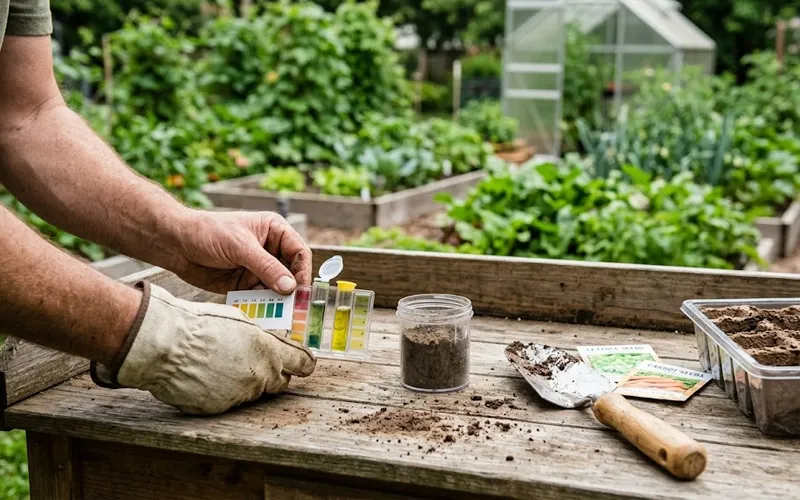
A soil test helps identify nutrient deficiencies and determine whether your soil is too acidic or alkaline. These conditions affect how easily plants absorb essential nutrients, so adding fertilizer without testing may not solve the actual problem.
Use a home testing kit or send a sample to a reliable soil testing laboratory. Follow the results before applying lime, sulfur, or fertilizer. This is a practical way to learn how to improve soil quality naturally without wasting money on treatments your garden may not need.
3. Improve Clay or Sandy Soil
Different soil types have different challenges. Clay soil can become dense and drain slowly, while sandy soil often loses water and nutrients quickly. Adding suitable organic matter can gradually improve the growing conditions in both types.
For clay soil, incorporate mature compost when the ground is slightly moist and easy to work. For sandy soil, regular additions of compost can help retain moisture and nutrients for longer. Avoid mixing small amounts of sand into heavy clay soil because the result can become even more difficult to work with.
4. Apply Mulch Around Plants
Mulch protects the soil surface from direct sunlight, heavy rainfall, and rapid moisture loss. It also helps suppress weeds and gradually adds organic material when natural mulch breaks down.
Spread shredded leaves, clean straw, or suitable bark around plants in a layer of approximately two to three inches, adjusting the depth for the material you use. Keep the mulch away from plant stems and tree trunks to reduce the risk of rot. Check the soil beneath it before watering because mulch can keep the ground moist for longer.
5. Prevent Soil Compaction
Compacted soil contains less space for air and water to move through, making it harder for roots to spread. Frequent walking, heavy equipment, and working wet ground can all contribute to this problem.
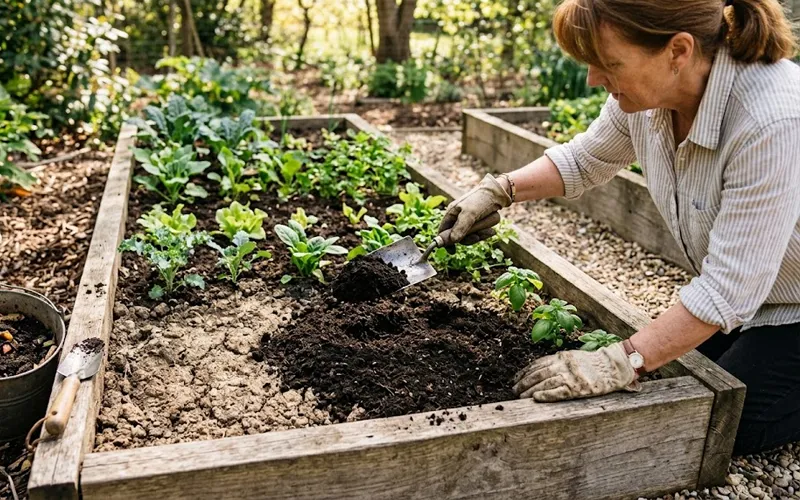
Create permanent paths between garden beds and avoid stepping on planting areas. If the soil is already compacted, gently loosen the affected area when it is slightly moist, then add compost where appropriate. For larger or repeatedly compacted gardens, raised beds can provide a more manageable growing space.
6. Grow Cover Crops Between Planting Seasons
Cover crops protect bare soil from erosion and help prevent nutrients from being lost during periods when the garden is not being used. Their roots can improve soil structure, while the plant material adds organic matter when it decomposes.
Clover, field peas, and other suitable varieties can work well depending on your climate and growing season. Sow them in empty beds according to the seed instructions, then cut them down before they produce mature seeds. Leave the plant material to decompose or manage it according to the requirements of your next crop.
7. Use Composted Manure Safely
Properly composted animal manure can supply nutrients and organic matter to garden soil. However, fresh manure may contain harmful pathogens, excessive salts, or nutrient levels that damage plants.
Choose composted manure from a reliable supplier and follow the recommended application rate. If you grow vegetables, observe local food-safety guidance about manure use and the waiting period before harvesting. Avoid applying excessive amounts because too many nutrients can harm plants and contribute to water pollution.
8. Correct Drainage Problems
Waterlogged soil can deprive roots of oxygen, while excessively fast drainage can leave plants without enough moisture. Before changing your garden, observe how quickly water disappears after rainfall or watering.

If water remains on the surface, consider raised beds, improved soil structure, or an appropriate way to redirect excess surface water. If the ground dries too quickly, adding organic matter may help it retain moisture. Choose a solution based on the actual problem rather than treating every garden in the same way.
9. Choose Plants That Match Your Soil
Plants grow best when their soil requirements match the conditions available in your garden. Some prefer well-drained sandy ground, while others need more moisture or a particular pH range. Choosing suitable varieties can reduce the need for frequent soil amendments.
Research the growing requirements of your vegetables, herbs, flowers, or shrubs before planting. Group plants with similar watering and soil needs together to make maintenance easier. This approach is especially useful when learning how to improve garden soil quality at home without making unnecessary changes to the entire garden.
10. Maintain the Soil After Harvesting
Soil needs ongoing care to remain productive. After harvesting vegetables or removing seasonal plants, avoid leaving beds bare for long periods. Cover unused areas with suitable mulch or grow a cover crop when the season allows.
Remove diseased plants and weeds that have produced seeds before adding garden waste to your compost pile. Check plant growth throughout the season and repeat soil testing when necessary. Regular maintenance helps preserve the improvements made during earlier planting seasons.
How to Improve Soil Quality for Different Gardens
The best soil improvement method depends on what you grow. To understand how to improve soil quality naturally for vegetables, focus on mature compost, suitable nutrients, proper drainage, and safe manure practices. These measures support healthy root development without encouraging unnecessary fertilizer use.
For flower beds, choose soil amendments according to the needs of your flowers and avoid changing the pH unless testing shows it is necessary. If you want to learn how to improve soil quality in flower beds, start by checking the existing soil and selecting plants suited to its conditions.
Container plants need a different approach because ordinary garden soil can become too dense in pots. Use a suitable potting mix designed to provide drainage and air around the roots. For lawns, assess compaction and drainage before considering suitable topdressing or other grass-specific treatments.
For larger agricultural areas, how to improve soil quality for farming depends on soil tests, crop requirements, irrigation, and local growing conditions. Farmers may need a more detailed nutrient management plan than a home gardener.
Final Thoughts
Understanding how to improve garden soil quality means identifying the problems that limit plant growth and correcting them with suitable methods. Start with a soil test, add mature compost where needed, prevent compaction, and protect the surface with mulch or cover crops. These practical steps can help create better growing conditions without unnecessary spending.
Make changes gradually and observe how your plants respond. Consistent care, rather than applying every treatment at once, is a sensible way to maintain productive garden soil over time.
Frequently Asked Questions
1. How can I improve garden soil quality naturally?
Add mature compost, use organic mulch, prevent soil compaction, and grow cover crops. Test your soil before adding fertilizers or other amendments.
2. What is the best natural way to improve soil quality?
Finished compost is one of the best options because it improves soil structure, supports beneficial organisms, and helps maintain moisture.
3. How can I make poor garden soil better for planting?
Start with a soil test to identify drainage, pH, or nutrient problems. Then add suitable organic matter and choose plants that match your soil conditions.
4. How often should I add compost to garden soil?
For most home gardens, adding a thin layer of finished compost once a year is a useful starting point. Adjust the amount according to soil test results and plant needs.
5. How do I improve clay soil in my garden?
Mix mature compost into clay soil when it is slightly moist and easy to work. Avoid working wet clay or adding small amounts of sand, which can make the soil harder to manage.
6. How can I improve sandy soil so it holds water?
Add mature compost regularly and cover the soil with organic mulch. These practices help sandy soil retain moisture and nutrients for longer.
7. How do I know if my garden soil needs improvement?
Signs include poor plant growth, standing water, soil that dries out quickly, and hard or compacted ground. A soil test can identify pH and nutrient issues.
8. How long does it take to improve garden soil quality?
Some improvements, such as better moisture retention, may become noticeable within one growing season. Significant changes in soil structure and fertility can take several seasons of consistent care.
Want more garden ideas and tips? Explore helpful ideas and the latest trends on TrendsMore.com.


