



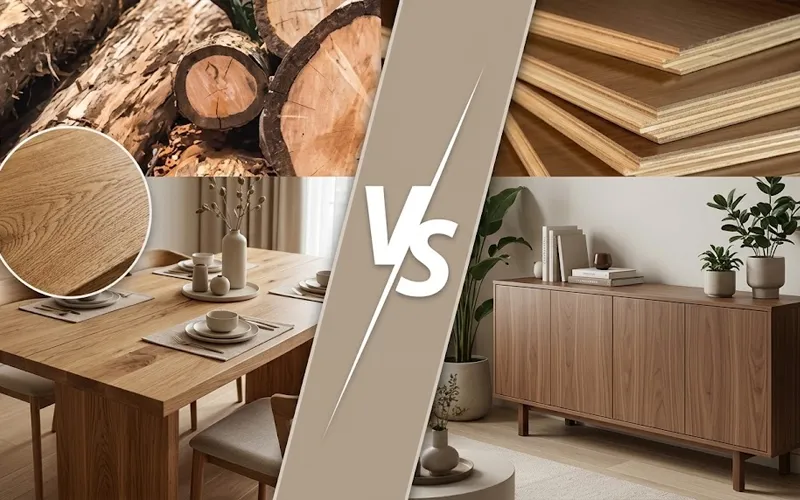
Choosing the right furniture involves more than comparing colors, styles, and prices. The material affects how furniture looks, performs, and holds up to everyday use. Solid wood and engineered wood are common choices for beds, wardrobes, dining tables, cabinets, and other household items. However, they differ in construction, maintenance, repair options, and cost.
The debate around solid wood vs engineered wood furniture often comes down to personal priorities. Solid wood is valued for its natural grain and potential for long-term use, while engineered wood offers a variety of finishes and budget-friendly designs. Neither material is automatically better in every situation because the quality of the product also plays an important role.
Whether you are furnishing a new home or replacing old furniture, understanding these differences can help you make a practical decision. By comparing their features and intended uses, you can choose furniture that suits your lifestyle without spending more than necessary.
What Is Solid Wood Furniture?
Solid wood furniture is made from natural timber rather than manufactured wood panels. Common varieties include oak, maple, walnut, pine, cherry, and teak. Each species has its own grain pattern, color, hardness, and appearance, giving natural wood furniture a distinctive character.
One of its main advantages is the potential for long-term use. A well-constructed dining table, bed frame, or cabinet can remain functional for decades. Depending on the wood species and the condition of the surface, scratches and signs of wear may be addressed through sanding, staining, or refinishing.
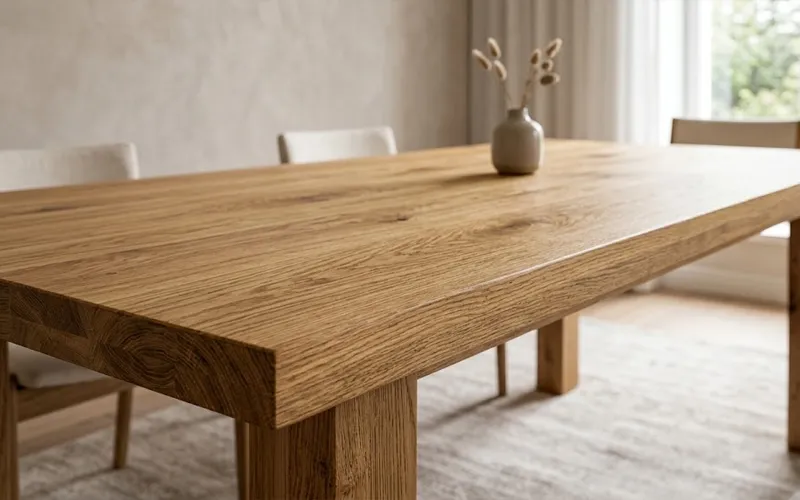
However, natural timber responds to changes in temperature and humidity. It may expand, contract, or develop cracks under unsuitable conditions. Spills, scratches, and prolonged exposure to direct sunlight can also affect its appearance. Proper cleaning and suitable protective finishes help preserve the surface.
Solid wood is a suitable option for people who appreciate natural materials and want furniture that can be maintained over time. Although the initial cost may be higher, a carefully selected piece can provide good value when its construction and expected lifespan justify the investment.
What Is Engineered Wood Furniture?
Engineered wood furniture is manufactured using wood fibers, particles, or layers that are bonded together to form panels. These panels are then cut and assembled into wardrobes, desks, shelves, kitchen cabinets, beds, and other furniture items.
Common varieties include particleboard, medium-density fiberboard (MDF), plywood, and laminated wood panels. MDF has a smooth surface that works well for painted designs, while particleboard is commonly used in economical furniture. Plywood consists of thin wood veneers bonded together in layers to provide structural strength and stability.
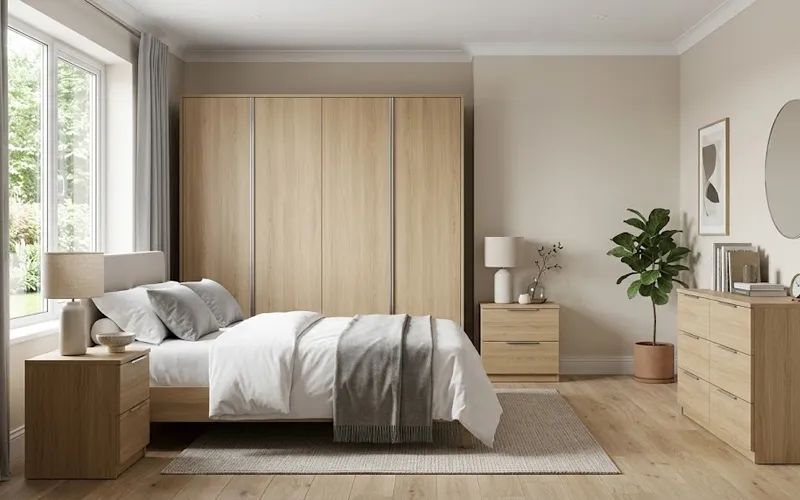
Manufacturers can cover engineered panels with decorative laminates, veneers, or other finishes to create different colors and patterns. This makes it easier to find coordinated furniture for bedrooms, living rooms, and home offices.
One limitation is that certain engineered panels are difficult to restore after serious damage. Water entering unprotected edges may cause swelling, and damaged screw holes may no longer hold hardware securely. However, well-made products can provide dependable service when they are used in suitable conditions.
Solid Wood vs Engineered Wood Key Differences
When comparing these materials, it helps to examine their appearance, cost, repair options, and construction rather than judging them by looks alone.
Solid wood displays natural variations in color and grain, whereas engineered panels generally offer more consistent surfaces. Solid timber can often be refinished when its surface becomes worn, while engineered wood usually depends on its original laminate, veneer, or coating. If a panel becomes badly swollen or its decorative layer peels away, restoration may be difficult.
Price is another important difference. Furniture made from premium hardwood can cost more because of the timber, manufacturing, and finishing involved. Engineered wood often provides a more affordable way to furnish several rooms with matching designs.
Structural performance depends on the individual product. A poorly assembled solid wood table may become unstable, while a properly constructed plywood cabinet can provide reliable support. Before purchasing, check the joints, hinges, drawer runners, panel thickness, and overall stability.
The main lesson is that the material name alone cannot determine furniture quality. Construction and suitability for the intended use are equally important.
Solid Wood vs Engineered Wood Pros and Cons
Understanding the advantages and limitations of both materials can help you identify which one meets your needs.
Solid wood offers natural character, a substantial appearance, and the possibility of refinishing many surfaces. It can be particularly appealing for furniture that you plan to keep for many years. Its disadvantages include a potentially higher purchase price and the need to manage environmental conditions that can affect natural timber.
Engineered wood offers a wide range of designs at different price points. Its consistent surfaces make it suitable for modern interiors, coordinated furniture sets, and homes where controlling costs is important. However, its performance varies by panel type, and serious moisture damage can be difficult to repair.
For example, a solid wood dining table may justify its higher cost if you expect to use it daily for many years. An engineered wood desk may be a more sensible purchase for a temporary home office where appearance and affordability matter more than future refinishing.
Instead of assuming one material is always superior, compare the construction, intended use, and expected maintenance of the specific products you are considering.
Is Engineered Wood Good for Furniture?
Yes, engineered wood can be an excellent choice for many furniture applications. It is widely used in wardrobes, bookcases, TV units, office desks, kitchen cabinets, and bedroom storage because different panel types suit different designs and functions.
MDF is particularly useful for smooth painted doors and decorative panels. Particleboard is common in budget-friendly furniture, especially when covered with a protective laminate. Plywood is often selected for applications that require stronger panel construction, although its performance depends on its grade, thickness, and manufacturing quality.
Another benefit is design consistency. Matching bedside tables, wardrobes, desks, and shelving units can be produced in similar colors and finishes without relying on the natural variations found in timber.
The key is to choose a product suited to its intended purpose. Bookshelves need adequate support for the weight they carry, while wall-mounted cabinets require suitable fixings and secure installation. For areas exposed to humidity, select products designed for those conditions and protect exposed edges from water.
Good-quality engineered wood furniture can meet many everyday household needs without requiring a large budget. Checking product specifications before purchasing helps ensure that the selected panel is appropriate for the job.
Is Engineered Wood Better Than Solid Wood?
Whether engineered wood is better than solid wood depends on your priorities. Engineered wood may be more suitable when you want affordable furniture with consistent colors, smooth finishes, and contemporary designs. It can also be useful when furnishing several rooms at once or matching existing furniture.
Solid wood may be preferable if you value natural grain patterns, traditional craftsmanship, and the option of restoring worn surfaces. It can also suit buyers who prefer natural timber and intend to maintain their furniture for an extended period.
Dimensional stability is another factor to consider. Engineered panels are manufactured to consistent dimensions, but their resistance to movement varies by type. Solid timber naturally responds to humidity, while engineered panels can also swell or warp when exposed to unsuitable conditions.
Think about the furniture’s specific purpose before deciding. A frequently used family dining table may require a sturdy structure and a surface that can be maintained over time. A decorative bedroom cabinet may place greater importance on design, storage, and purchase price.
Ultimately, solid wood vs engineered wood furniture is not a contest with one universal winner. The better option is the one that satisfies your requirements without unnecessary expense.
Solid Wood vs Engineered Wood Dining Tables
Dining tables experience regular use, including the weight of dishes, food spills, cleaning, and occasional impacts. Their tabletop finish and supporting structure therefore deserve careful attention.
Solid wood dining tables are popular because of their natural appearance and potential for surface restoration. Depending on the timber and finish, scratches or worn areas may be improved through sanding and refinishing. Their long-term performance still depends on the table’s design, joints, and general care.
Engineered wood dining tables are available in many contemporary designs and often cost less than comparable solid timber models. A well-made table with a durable laminate or veneer finish may suit apartments, smaller homes, and households looking for a particular decorative style.
Before buying either type, check that the table stands firmly, its legs and joints are secure, and its surface is appropriate for regular use. Pay attention to the edge treatment and follow the manufacturer’s instructions for cleaning and protecting the finish.
If future refinishing is important to you, solid wood is worth considering. If you prefer an attractive table at a lower price, a quality engineered wood model may be sufficient. In both cases, stability and construction should influence your final decision.
Engineered Wood vs Plywood: Key Differences
Plywood is actually a type of engineered wood, so these materials are not completely separate categories. Comparing plywood with MDF and particleboard provides a more accurate understanding of their differences.
Plywood is made by bonding thin layers of wood veneer together, usually with the grain of adjacent layers running in different directions. This construction can provide good strength and dimensional stability, making suitable grades useful for cabinet boxes, shelving, furniture frames, and other applications.
MDF is manufactured from fine wood fibers combined with resin and pressed into panels. Its smooth surface makes it useful for painted furniture and decorative designs. Particleboard is made from wood particles and adhesive, and it is commonly used in affordable furniture with laminated finishes.
Each material has a different purpose. Plywood may be appropriate when panel strength is important, MDF works well for smooth decorative surfaces, and particleboard can be suitable for lighter-duty storage furniture. Their performance depends on the panel grade, thickness, finish, and intended load.
When shopping, check the actual material listed in the product specifications. The general label “engineered wood” does not tell you whether the furniture uses plywood, MDF, particleboard, or a combination of these materials.
Is Engineered Wood Furniture Safe?
Engineered wood furniture can be safe for everyday household use, but its safety partly depends on the adhesives, coatings, manufacturing standards, and emissions associated with the materials.
Some wood-based panels contain adhesives that may release formaldehyde, a chemical used in certain resin systems. Emissions vary according to the product type, resin formulation, and manufacturing process. Buyers concerned about indoor air quality should therefore review the manufacturer’s documentation and look for applicable low-emission certifications.
In the United States, regulated composite wood products are subject to formaldehyde emission requirements under the Environmental Protection Agency’s TSCA Title VI program. Buyers in other countries should check which local requirements or recognized product certifications apply to their purchases.
New furniture may have an odor from adhesives, finishes, packaging, or other materials. Smell alone cannot reliably establish whether a product is safe. Follow the manufacturer’s ventilation and installation guidance, and avoid products with unclear material information or visibly damaged finishes.
Solid wood furniture is not automatically free from chemical exposure. Paints, stains, varnishes, and protective coatings can also contain substances that require appropriate handling or curing.
For children’s bedrooms and other indoor spaces where air quality is particularly important, choosing a reputable manufacturer and checking the available emissions and finish information are sensible precautions.
Is Engineered Wood Furniture Durable?
The lifespan of engineered wood furniture depends on the panel type, thickness, quality of the joints, hardware, and conditions in which the item is used.
For example, a well-constructed plywood cabinet may perform differently from a low-cost particleboard unit with thin panels and weak connections. A suitable protective finish can help a product withstand ordinary use, but it cannot compensate for poor construction or incorrect installation.
Moisture is one of the main risks. If water enters unprotected edges or damaged surfaces, certain panels can swell and lose their original shape. This damage may be difficult to reverse, so furniture should be kept away from persistent dampness and standing water.
Weight distribution and assembly also influence performance. Shelves need adequate support for the items they hold, and large wardrobes should be assembled according to the manufacturer’s instructions. Suitable screws, brackets, and wall anchors can help reduce the risk of loose connections and instability.
Although solid wood may offer more restoration options in many situations, it can also experience scratches, wear, and changes caused by humidity. Neither material guarantees a particular lifespan, so check the product warranty, assembly instructions, and weight limits before purchasing.
How to Choose the Right Furniture
Start by identifying the furniture’s purpose and how frequently it will be used. Dining tables, bed frames, and everyday desks may justify spending more on sturdy construction. Decorative shelving, occasional-use cabinets, and furniture for temporary accommodation may not require the same level of investment.
Next, consider the expected useful life alongside the initial price. A more expensive product may be suitable if you intend to maintain it for many years, while a lower-cost option may be perfectly adequate for a room that sees limited use. Your plans to move home or change your interior style may also influence the decision.
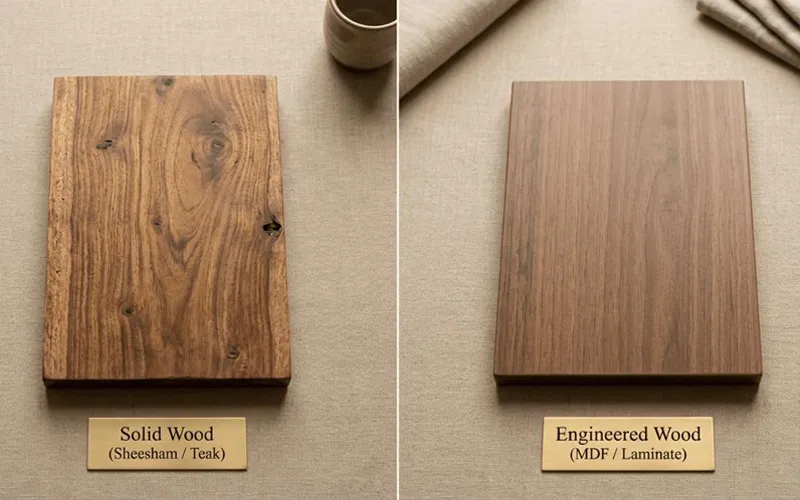
Check the product specifications carefully. Determine whether it uses solid timber, plywood, MDF, particleboard, veneer, laminate, or a combination of these materials. Examine the joints, hinges, drawer runners, panel edges, tabletop thickness, and stability. A wood veneer is a surface layer, so it does not necessarily mean the entire furniture piece is made from solid wood.
Finally, consider the room’s environment. Kitchens, bathrooms, and other areas exposed to frequent moisture require particular attention to panel suitability and edge protection. Dry bedrooms and living rooms generally offer a wider range of material choices.
Comparing actual products is more useful than relying on price alone. Choose furniture that meets your practical needs and offers the features you will genuinely use.
Final Verdict Which Wood Is Better?
Solid wood is worth considering if you value natural grain, potential refinishing, and furniture that you intend to maintain for many years. Engineered wood can be a practical alternative if affordability, consistent finishes, and design flexibility are your main priorities.
The final decision depends on the specific furniture piece, its construction, and the conditions in which it will be used. Compare the material specifications, hardware, warranty, and maintenance requirements before making your purchase.
Ultimately, solid wood vs engineered wood furniture comes down to finding the right balance between appearance, performance, and budget. By understanding the differences and comparing individual products carefully, you can select furniture that suits your home and provides good value for your money.
Frequently Asked Questions
1. What Is the Difference Between Solid Wood and Engineered Wood Furniture?
Solid wood furniture is made from natural timber, while engineered wood furniture uses bonded wood fibers, particles, or layers. Solid wood often offers more refinishing options, whereas engineered wood provides affordable designs and consistent finishes.
2. Is Engineered Wood Better Than Solid Wood?
Engineered wood can be better for budget-friendly furniture with modern finishes, while solid wood may be preferable for natural grain and long-term restoration. The best choice depends on your budget, intended use, and product quality.
3. Is Engineered Wood Good for Furniture?
Yes, engineered wood is suitable for wardrobes, desks, shelves, cabinets, and many other furniture items. Its durability depends on the panel type, construction quality, protective finish, and exposure to moisture.
4. Is Engineered Wood Furniture Durable?
Engineered wood furniture can last for years when made with quality materials and properly maintained. Keeping it dry, avoiding excessive weight, and protecting its edges can help prevent damage.
5. Which Is Better for a Dining Table: Solid Wood or Engineered Wood?
Solid wood is a good option if you want natural grain and the possibility of refinishing the surface. Engineered wood may be more affordable and can work well when it has a durable finish and sturdy construction.
6. What Is the Difference Between Engineered Wood and Plywood?
Plywood is a type of engineered wood made by bonding thin layers of wood veneer. MDF uses compressed wood fibers, while particleboard is made from wood particles and adhesive.
7. Is Engineered Wood Furniture Safe for Indoor Use?
Yes, engineered wood furniture can be safe for indoor use when it meets applicable emission standards and has suitable finishes. Check the manufacturer’s material information and relevant low-emission certifications before buying.
8. Which Furniture Lasts Longer: Solid Wood or Engineered Wood?
Solid wood furniture often offers greater opportunities for repair and refinishing, while engineered wood furniture can also provide years of service when well made. Actual lifespan depends on construction, material quality, maintenance, and moisture exposure.
Want more furniture and decor ideas? Explore helpful tips and the latest trends on TrendsMore.com.


