



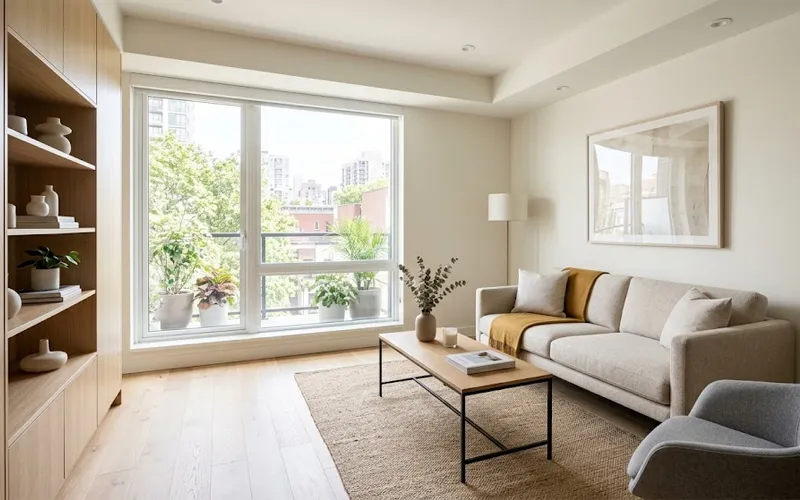
A small room can feel limited when furniture, storage, and decoration are not planned according to the available space. However, a room does not need to be physically large to feel comfortable and open. Smart furniture choices can improve movement, organization, and the overall visual balance of the space. Learning how to make a small room look bigger with furniture is mainly about selecting practical pieces and arranging them in a way that allows the room to breathe. With thoughtful planning, even a compact bedroom, living room, home office, or apartment can feel more comfortable without major structural changes.
Choose Furniture That Fits the Room
Furniture should always be selected according to the actual dimensions of the room. A sofa, bed, cabinet, or table that is too large can take up valuable space and make the layout difficult to use. Before purchasing furniture, measure the room as well as doorways, windows, and existing fixtures. This helps ensure that new pieces will fit comfortably without creating obstacles.
Proportion is more important than simply choosing the smallest furniture available. A piece should provide the required comfort and function while leaving enough room for movement. For example, a compact sofa may be more suitable for a small living room than a deep sectional. Similarly, a bed with a simple frame can provide adequate sleeping space without overwhelming a bedroom.
Plan the Furniture Layout Around Movement
Furniture placement has a direct effect on how easily people can move through a room. Instead of concentrating only on where each piece looks attractive, consider the natural routes between doors, windows, seating areas, and other important parts of the room.
A clear path can make a compact space easier to navigate and prevent the layout from feeling crowded. In a living room, seating can be positioned to create a comfortable route toward the entrance or another area. In a bedroom, the bed should be placed where there is sufficient space to move around it. Good circulation can make the room feel more functional without requiring additional space.
Choose Furniture That Serves More Than One Purpose
Multifunctional furniture can reduce the number of separate pieces required in a small room. An ottoman with storage can provide seating while keeping belongings out of sight. A sofa bed can serve two purposes when a room needs to function as both a living area and sleeping space. A bed with built-in drawers can also provide storage without requiring a separate cabinet.
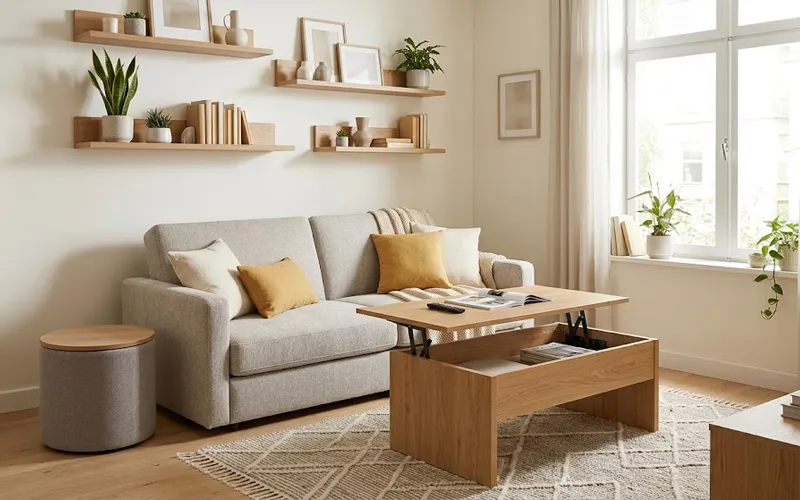
The advantage of this approach is that one well-designed item can replace several individual pieces. This can simplify the layout and make the available area more useful. When selecting multifunctional furniture, make sure the additional features are genuinely useful rather than choosing a complicated design simply because it offers several functions.
Use Furniture with an Open Design
The structure of furniture can influence how much of the room remains visually visible. Pieces with exposed legs, narrow frames, open shelving, or raised bases can create a lighter appearance than furniture with large enclosed bases.
For instance, a chair with visible space underneath allows more of the floor to be seen. A raised console can also appear less dominant than a solid cabinet extending directly to the floor. These design details do not increase the physical size of the room, but they can reduce the visual barriers created by furniture.
Keep Furniture Height Proportionate
The height of furniture can affect the relationship between the floor, walls, and ceiling. Very tall storage units or oversized headboards may dominate a compact room, especially when the ceiling is relatively low. Lower-profile pieces can leave more wall area visible and create a more balanced composition.
This does not mean all furniture should be short. Storage and other functional requirements still matter. The better approach is to avoid unnecessary height where it does not provide a useful purpose. A carefully chosen combination of furniture heights can prevent one part of the room from becoming visually overwhelming.
Protect Natural Light
Windows are valuable in a small room because natural light can make the space feel more welcoming. Furniture should therefore be positioned carefully so that it does not unnecessarily block major windows or reduce the amount of daylight entering the room.
Curtains can also affect the result. Keeping window treatments simple and allowing as much daylight as practical can make the room appear brighter. Furniture placed beside rather than directly across important windows can help maintain the connection between the interior and the outside view.
Coordinate Furniture with Wall Colors
Furniture does not exist separately from the walls and ceiling. The relationship between these surfaces can influence the overall appearance of a room. If you are exploring How to make small room look bigger with paint, consider soft colors that create a calm and continuous visual background.
White is a familiar choice, but warm off-white, pale gray, soft beige, and muted shades can also work well. The furniture does not need to be exactly the same color as the walls. Instead, choosing tones that complement one another can reduce strong visual breaks and create a more unified interior.
Position Mirrors for Depth
A well-placed mirror can introduce an additional sense of depth by reflecting light and parts of the room. Rather than placing several mirrors randomly, consider what each one will reflect. A mirror facing a window can help distribute daylight, while one positioned opposite an attractive area can extend that visual feature.
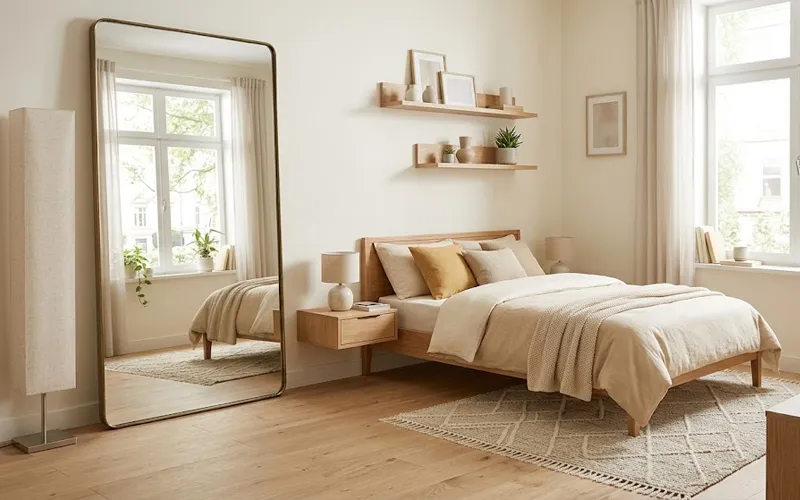
Size and placement should be based on the room’s layout. One appropriately positioned mirror can be more effective than covering multiple surfaces. The goal is to add depth without making the decoration feel excessive.
Use Wallpaper to Guide the Eye
Wallpaper can change how the walls are perceived when its pattern is selected carefully. If you are researching How to make a small room look bigger with wallpaper, designs that create continuity or gently draw attention upward can be useful.
Subtle vertical patterns may emphasize height, while understated designs can add character without dominating the furniture. Strong patterns are not automatically unsuitable, but they require careful coordination with the rest of the room. Keeping furniture relatively simple can help decorative walls remain balanced.
Create a Consistent Furniture Palette
A small room can appear visually fragmented when every furniture item has a different color, material, and design style. A coordinated palette can make the space feel more organized because the eye can move between pieces without encountering too many competing elements.
Furniture does not have to match exactly. A neutral sofa can work with a wooden table and a similarly toned storage unit, for example. Repeating one or two materials or colors can establish a connection between separate pieces while still allowing the room to have personality.
Use Transparent Furniture Where Appropriate
Transparent materials can be useful when a room needs a table or chair but has limited visual space. Glass or acrylic surfaces allow the surrounding floor and furniture to remain visible, which can make the arrangement feel less obstructed.
A transparent coffee table, for example, may provide the required surface without becoming a strong visual centerpiece. This technique works best when used selectively. Combining transparent elements with softer materials such as wood or fabric can keep the room from feeling overly modern or impersonal.
Remove Furniture That Has Little Value
Not every piece of furniture deserves a permanent place in a compact room. Items that are rarely used can reduce available space without providing meaningful comfort, storage, or functionality.
Look at the room and consider which pieces are genuinely useful. An extra chair, unused side table, or decorative cabinet may be better removed if it interferes with movement or serves no practical purpose. Removing one unnecessary item can sometimes improve the layout more than adding a new decorative feature.
Use Walls for Storage
When floor area is limited, storage can be moved upward. Floating shelves, wall-mounted cabinets, and tall but appropriately proportioned storage units can provide useful capacity while preserving valuable floor space.
Wall storage should still be planned carefully. Filling every wall with shelves and objects can make the room feel busy. Leave some areas open so that the storage system remains functional without becoming the dominant feature of the room.
Evaluate Changes with Before-and-After Comparisons
Small changes can sometimes produce a bigger visual difference than expected. Looking at How to make a small room look bigger before and after examples can help demonstrate the effect of rearranging furniture, improving storage, or changing decorative elements.
You can also photograph your own room before making adjustments. After moving a major piece or removing an unnecessary item, compare the images from the same position. This makes it easier to identify which changes actually improved the appearance and which ones had little effect.
Improve the Room on a Limited Budget
Making a room feel larger does not always require buying new furniture. If you are interested in How to make a small room look bigger on a budget, begin with changes that require little or no spending.
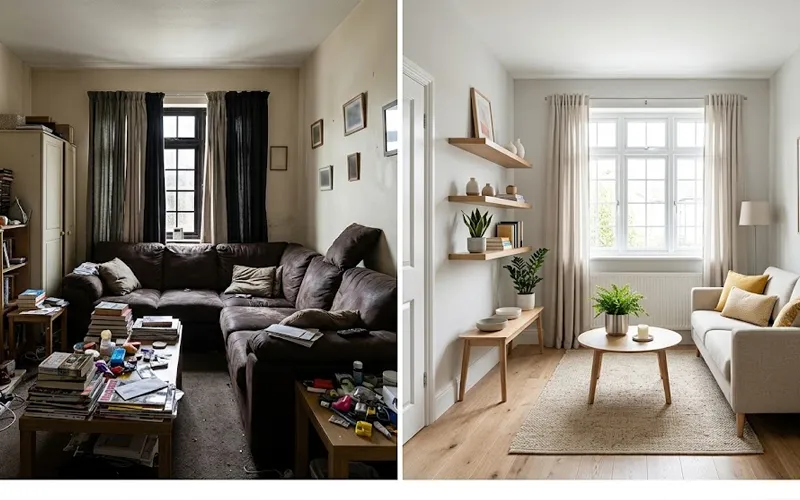
Rearranging existing pieces, removing unused furniture, improving window access, changing the position of a mirror, and organizing visible belongings can all improve the space. If something must be purchased, focus on the item that creates the biggest practical problem rather than replacing everything at once.
Use Online Inspiration as a Starting Point
Online interior design platforms can provide useful ideas for compact spaces. Searching for How to Make A Small Room Look Bigger Pinterest can reveal different layouts, storage approaches, furniture combinations, and decorative styles.
However, an arrangement that works in an online photograph may not suit another room. Dimensions, windows, doors, ceiling height, and daily needs vary from one home to another. Use online examples for inspiration, then adapt the ideas to your own space instead of trying to reproduce a design exactly.
Leave Some Areas Unoccupied
An empty area is not necessarily wasted space. In a compact room, open areas can help separate furniture zones and give the overall arrangement a sense of balance. Trying to fill every corner can have the opposite effect and make the room appear more crowded.
Consider which areas need furniture and which can remain open. A small amount of intentional empty space can make useful furniture easier to access and allow individual pieces to stand out. This creates a cleaner layout without requiring additional decoration.
Final Thoughts
Learning how to make a small room look bigger with furniture involves more than choosing smaller pieces. The most effective approach combines suitable proportions, practical placement, multifunctional designs, appropriate furniture heights, useful storage, and a carefully planned visual arrangement.
Natural light, coordinated colors, mirrors, wallpaper, and selected transparent materials can further support the design without replacing the importance of good furniture planning. Removing unnecessary items is equally valuable because an organized room gives each remaining piece enough space to function properly.
The best small-room design is not about making the space look empty. It is about making every piece earn its place while maintaining comfortable movement and a clear visual structure. With these principles, a compact room can become more functional, balanced, and pleasant without needing a major renovation.
Frequently Asked Questions
1. How to Make a Small Room Look Bigger with Furniture?
Choose furniture that fits the room properly, avoid oversized pieces, keep clear walking paths, and use multifunctional furniture to make better use of limited space.
2. How to Make a Small Room Look Bigger with Furniture without buying new items?
Start by removing unnecessary furniture and rearranging existing pieces. Keeping windows clear and creating open areas can make the room feel more spacious without additional purchases.
3. How to Make a Small Room Look Bigger with Furniture on a budget?
Use existing furniture creatively, improve the layout, add practical storage, and consider replacing only the piece that takes up too much space. Small adjustments can make a noticeable difference.
4. How to Make a Small Room Look Bigger with Furniture and storage?
Use wall-mounted shelves, floating cabinets, beds with built-in drawers, and other space-saving options. These choices can provide storage while preserving valuable floor space.
5. What type of furniture works best in a small room?
For How to Make a Small Room Look Bigger with Furniture, multifunctional, open-frame, raised, and appropriately sized furniture can be especially useful because it provides function without creating unnecessary visual weight.
6. Can mirrors help make a small room appear larger?
Yes. When used correctly, mirrors can reflect natural light and create a greater sense of depth. For How to Make a Small Room Look Bigger with Furniture, placing a mirror where it reflects a window or open area can complement the furniture arrangement.
7. Does furniture color affect how spacious a room feels?
Furniture colors that coordinate with the walls can create a more consistent visual appearance. As part of How to Make a Small Room Look Bigger with Furniture, soft and complementary tones can help reduce strong visual divisions.
8. Should I remove furniture from a small room?
If a piece is rarely used or blocks movement, removing it can improve the overall layout. How to Make a Small Room Look Bigger with Furniture is not only about adding suitable pieces but also about giving useful furniture enough surrounding space.
Want to read more articles like this? Explore more home improvement ideas, helpful tips, and the latest updates on TrendsMore.com.


