



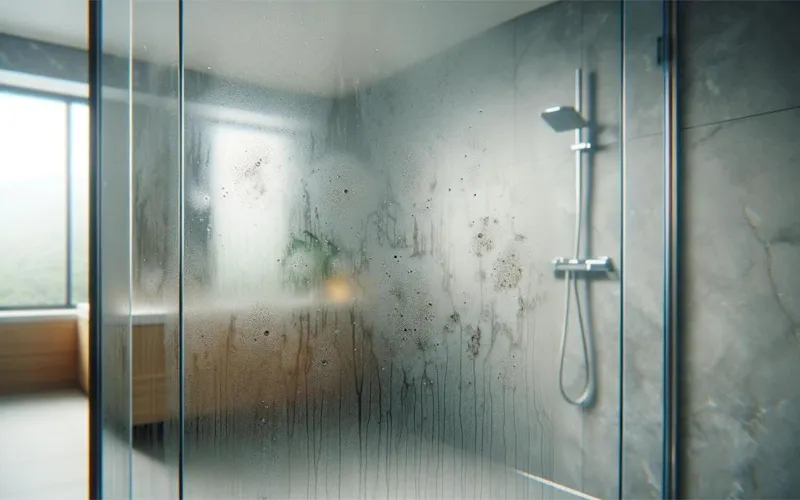
Hard water stains can make shower glass look cloudy even when the rest of the bathroom is clean. You may notice white spots, dull patches, or marks that remain after wiping the glass with a wet cloth. These stains usually develop gradually as water dries on the surface and leaves minerals behind.
The best way to remove hard water stains from shower glass is to loosen the mineral deposits with a suitable cleaning solution, wipe them away gently, and rinse the glass thoroughly. Diluted white vinegar can work well on ordinary, uncoated glass with light or moderate buildup. Older stains may require a specialist hard water stain remover that is safe for shower glass.
Before choosing a cleaner, check whether the glass has a protective coating and how severe the deposits are. Using the right method can save time, prevent unnecessary scrubbing, and help you avoid damaging the surface while restoring its clarity.
Why Shower Glass Develops White Stains
Hard water contains dissolved minerals, particularly calcium and magnesium. When water droplets dry on a shower door, the water evaporates but some of these minerals remain. Repeated splashing creates layers of deposits that become more noticeable over time.
Soap scum can make the problem worse. Soap, shampoo, body oils, and conditioner leave a thin film that mixes with mineral deposits, producing a cloudy appearance. This combination can be difficult to remove with ordinary glass cleaner because some products are designed to remove fingerprints and grease rather than dissolve mineral buildup.
The location of the stains can also tell you something about their cause. White marks around the bottom of a shower door often develop where water collects, while spots across the middle of the glass may come from droplets drying after each shower. If the glass remains cloudy even after careful cleaning, the surface could have etching or damage to its protective coating rather than removable dirt.
The Best Cleaning Method for Everyday Stains
For fresh or moderately stubborn deposits, diluted white vinegar is a practical starting point, provided the glass manufacturer’s instructions allow acidic cleaners.
Mix equal parts white vinegar and warm water in a spray bottle. Open a window or switch on the bathroom exhaust fan, then apply the solution to the stained areas. Let it sit for about five to ten minutes, keeping the surface wet throughout the process. Do not allow the solution to dry on the glass.
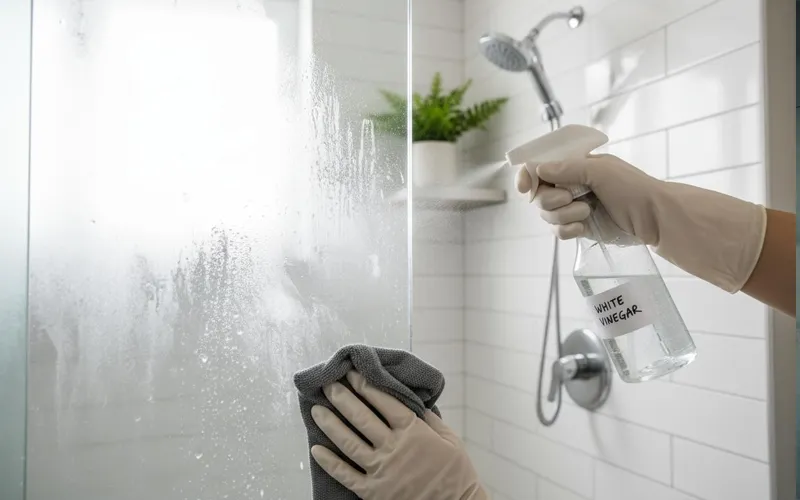
Wipe the area with a soft microfiber cloth using gentle, circular movements. If some deposits remain, repeat the treatment instead of applying more pressure. A non-scratch sponge can help loosen residue, but avoid steel wool, rough scouring pads, and abrasive powders.
Rinse the glass thoroughly with clean water to remove dissolved minerals and any remaining vinegar. Finish by drying the surface with a fresh microfiber cloth or a clean squeegee. Check the glass from different angles in natural light to see whether any cloudy patches remain.
This method works best when the deposits have not been left to build up for months. If the glass is still marked after two or three gentle cleaning attempts, use a compatible specialist cleaner rather than repeatedly applying vinegar or scrubbing harder.
How to Remove Stubborn Mineral Deposits
Older deposits can be more difficult to remove because minerals and soap residue accumulate in layers. When the usual cleaning method is not enough, the next step is to choose a product formulated specifically for hard water stains on glass.
Read the label carefully and confirm that the product is suitable for shower doors. Apply it as directed, follow the recommended contact time, and rinse the glass thoroughly. Some products need to be spread over the surface, while others require a different application method, so follow the manufacturer’s instructions rather than assuming all stain removers work alike.
For a best way to remove hard water stains from shower glass shower door problem, it is also important to inspect the affected area before using a stronger cleaner. Removable mineral deposits may feel slightly rough and become lighter after treatment. Etching, on the other hand, can leave a smooth but permanently cloudy patch that does not improve with ordinary cleaning.
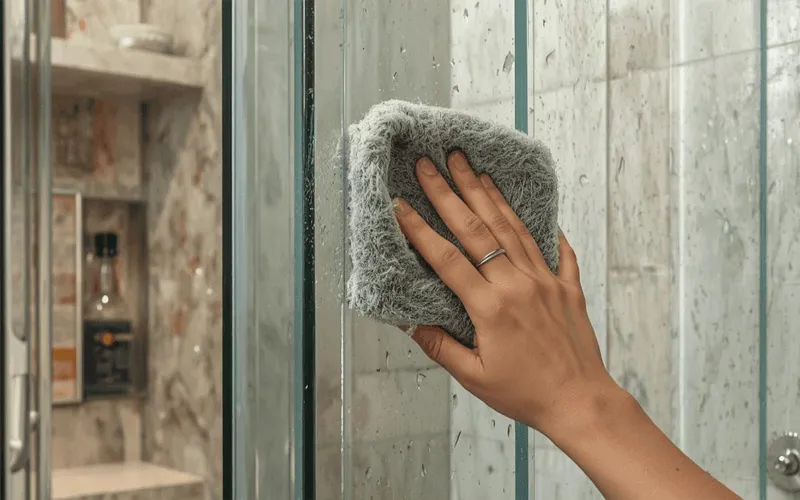
Pay attention to the corners, lower edges, and areas around door handles. These spots often collect water and soap residue. A soft detailing brush can help reach narrow gaps, but do not use it aggressively on the glass or force cleaning liquid into door seals and hardware.
If the cloudy marks remain unchanged after using a suitable product correctly, stop experimenting with stronger chemicals. Permanent etching or coating damage may require professional advice, and replacement may be necessary in severe cases.
Removing Stains Without Scratching the Glass
Finding the best way to remove hard water stains from shower glass without damaging the surface starts with choosing a cleaner and tool that match the glass type. Ordinary glass can tolerate some cleaning methods that may be unsuitable for factory-coated or water-repellent shower doors.
Start with a soft cloth, warm water, and a mild dish soap solution if soap scum is present. Rinse away the loosened residue before treating the mineral deposits. This prevents oily film from interfering with the cleaning process.
Avoid sharp blades, rough pads, and unapproved polishing compounds. Even when a tool appears to remove a stain quickly, it may scratch the surface or damage a protective treatment. Never assume that a product is safe simply because it is advertised for glass; check whether it is approved for your particular shower door.
Acidic cleaners also require care around bathroom materials. Vinegar can damage marble, limestone, and other acid-sensitive natural stone. Keep cleaning solutions away from metal finishes, grout, and seals unless the manufacturer confirms compatibility. Never mix vinegar with bleach or other cleaning products, as mixing chemicals can release harmful fumes or cause dangerous reactions.
What Removes Hard Water Stains from Glass Shower Doors DIY?
If you prefer household cleaning methods, start with diluted white vinegar for compatible glass. It helps dissolve many mineral deposits without requiring heavy scrubbing. A mild dish soap solution is useful for removing the greasy film left by body products, but it may not remove thick calcium deposits on its own.
Baking soda is another commonly suggested option, although it is not always the best choice for shower glass. Its powder can act as a mild abrasive, and rubbing it against delicate or coated glass may cause damage. A non-abrasive cleaner approved for shower doors is generally a safer option.
When deciding what removes hard water stains from glass shower doors DIY, consider the age of the marks and the condition of the surface. Fresh spots may respond to a simple vinegar treatment, while older deposits may need a purpose-made mineral remover. Trying several household ingredients at once is unnecessary and can increase the risk of damaging nearby finishes.
Use one compatible cleaning method at a time, rinse thoroughly, and assess the result before moving to another product. This approach makes it easier to identify what works without exposing the glass to unnecessary chemicals.
Is a Magic Eraser Safe for Shower Glass?
A Magic Eraser for hard water stains on glass may help with certain surface marks, but it should not be your first choice for a shower door. These pads clean through a fine abrasive action, which can affect delicate finishes and some protective coatings.
Before using one, check the instructions for both the cleaning pad and the shower glass. If the glass manufacturer does not approve this type of pad, choose a soft microfiber cloth and a suitable mineral-removing cleaner instead.
Even on ordinary glass, avoid pressing hard or repeatedly rubbing the same spot. A Magic Eraser may remove some residue, but it does not reliably dissolve the minerals responsible for hard water stains. A compatible cleaning solution is generally more useful because it loosens the deposits before you wipe them away.
How to Remove Hard Water Stains from Glass Doors and Windows
Glass doors and windows can develop similar white marks when water dries on their surfaces. The main difference is the type of glass, its location, and its exposure to the elements.
For ordinary, uncoated glass doors, wash away loose dirt with clean water and a mild glass-safe cleaner. If white mineral spots remain, use a hard water stain remover approved for that surface. Follow the product directions, rinse thoroughly, and dry the glass with a clean cloth.
If you are wondering what removes hard water stains from glass windows, first consider where the marks came from. Sprinkler water, rainwater, and mineral-rich tap water can all leave deposits. Light spots may respond to regular glass cleaning, while older marks often need a product specifically formulated for mineral buildup.
Be particularly careful with tinted, coated, or treated windows. Avoid unapproved abrasives and razor blades, which can damage special finishes. A product suitable for a bathroom shower door is not automatically suitable for every window or glass panel, so always check the label.
How to Remove Hard Water Stains from Glass on a Car
Hard water spots on car windows often appear after washing the vehicle or allowing sprinkler water to dry on the glass. Direct sunlight can make these marks more noticeable, and older deposits may become harder to remove.
If you want to know how to remove hard water stains from glass on car windows, begin by washing the glass with an automotive glass cleaner and a clean microfiber towel. This removes dust, road film, and loose contaminants that could scratch the surface during further cleaning.
For remaining spots, use a hard water spot remover specifically approved for automotive glass. Follow its instructions and protect the surrounding paint, rubber, and trim. Do not assume that household vinegar, abrasive pads, or bathroom descalers are safe for every automotive surface.
Avoid working on hot glass or in direct sunlight if the product instructions warn against it. Heat can cause cleaners to dry too quickly, leaving residue behind. If the marks persist after appropriate treatment, a professional automotive glass specialist can determine whether the spots have etched the surface.
Choosing the Best Product for Shower Glass
The best product to remove hard water stains from glass shower doors depends on how heavy the deposits are and whether the glass has a special finish.
For light buildup, a manufacturer-approved household solution may be sufficient. For thick, older deposits, look for a dedicated hard water stain remover that specifically lists shower glass and mineral deposits among its intended uses. Check the directions for contact time, rinsing, ventilation, and any required protective equipment.
Avoid choosing a product based only on how strong it sounds. A powerful bathroom descaler may be unsuitable for coated glass, nearby metal fittings, natural stone, or rubber seals. A product designed for mineral deposits is a better choice than a general bathroom spray that mainly targets soap residue.
If the shower door has a water-repellent coating, follow the coating manufacturer’s cleaning recommendations. Some surfaces require pH-neutral products and may be damaged by acidic cleaners or abrasive polishing compounds. When the instructions are unclear, contact the manufacturer before testing a new treatment.
Keep Hard Water Stains from Coming Back
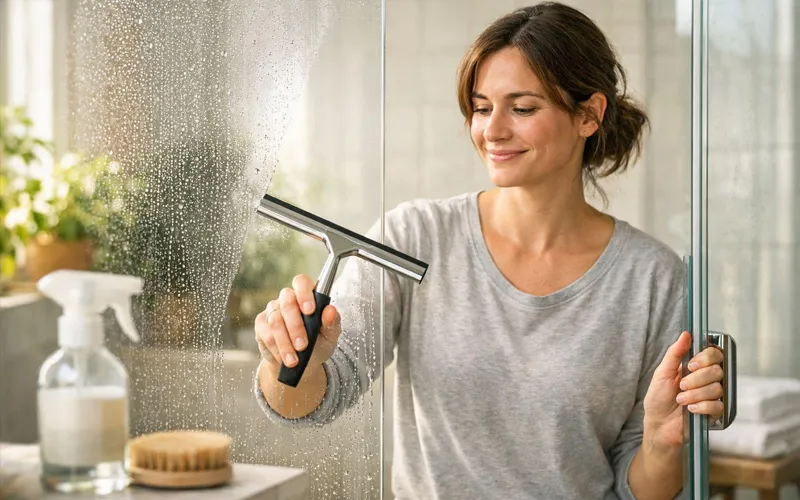
Preventing fresh deposits is easier than removing a thick layer of minerals. After each shower, run a squeegee over the glass, starting at the top and moving down in overlapping strokes. This removes most of the water before it can dry and leave mineral spots.
Use a dry microfiber cloth to wipe the bottom edges, corners, and areas around the handles where a squeegee may not reach. Leave the shower door open when practical and use the bathroom exhaust fan to help moisture escape.
Clean the glass before a cloudy film develops. How often you need a deeper clean depends on your water hardness and how frequently the shower is used. A quick daily wipe and a more thorough weekly clean may be enough in some bathrooms, while areas with very hard water may need more frequent attention.
A manufacturer-approved water-repellent treatment can also help water run off the glass more easily. However, it does not eliminate minerals from the water, so regular drying and cleaning are still necessary.
Conclusion
The best way to remove hard water stains from shower glass is to use a compatible cleaning solution, allow it enough time to loosen the deposits, and wipe the surface gently. Diluted white vinegar can work well on suitable glass with light buildup, while a specialist mineral remover may be more effective for older stains.
Choose cleaning products according to the glass finish, avoid abrasive tools, and stop if the marks appear permanent rather than removable. With regular squeegee use and quick drying after each shower, you can reduce mineral buildup and keep the glass clearer without unnecessary scrubbing or expensive repairs.
Frequently Asked Questions
1. What is the best way to remove hard water stains from shower glass?
The best way to remove hard water stains from shower glass is to use white vinegar diluted with water, let it sit briefly, and wipe with a soft microfiber cloth. Rinse thoroughly and dry the glass to prevent new deposits.
2. How do you remove hard water stains from glass shower doors naturally?
Mix equal parts white vinegar and water, spray the solution onto the glass, and leave it for a few minutes. Wipe gently, rinse, and dry. Avoid vinegar on natural stone surfaces nearby.
3. What removes hard water stains from glass shower doors if vinegar does not work?
For stubborn stains, use a non-abrasive cleaner specifically designed for glass and hard water deposits. Follow the product instructions and test it on a small area first.
4. Can baking soda remove hard water stains from shower glass?
Yes, baking soda may help loosen stubborn mineral deposits when used gently with water to make a soft paste. Avoid vigorous scrubbing because it can scratch certain glass coatings.
5. How can you remove hard water stains from shower glass without scratching it?
Use a microfiber cloth, a soft sponge, and a suitable glass cleaner. Avoid steel wool, rough scouring pads, and abrasive powders that may damage protective coatings or leave scratches.
6. Why do hard water stains keep coming back on shower glass?
Hard water contains minerals such as calcium and magnesium that remain on the glass when water evaporates. Regularly removing water droplets with a squeegee and drying the glass helps prevent buildup.
7. How do you remove old, stubborn hard water stains from shower doors?
Apply a suitable hard water stain remover according to its label, allow the recommended contact time, and wipe gently. If the marks remain, they may be etched into the glass rather than sitting on its surface.
8. How can you prevent hard water stains from forming on shower glass?
Use a squeegee after every shower, dry the edges with a microfiber cloth, and clean the glass regularly. These habits reduce mineral buildup and make future cleaning easier
Want more cleaning tips? Explore helpful cleaning ideas and the latest updates on TrendsMore.com.


